


Calcium Deficiency – Causes, Symptoms & Calcium Supplementation for Bone and Pain Health

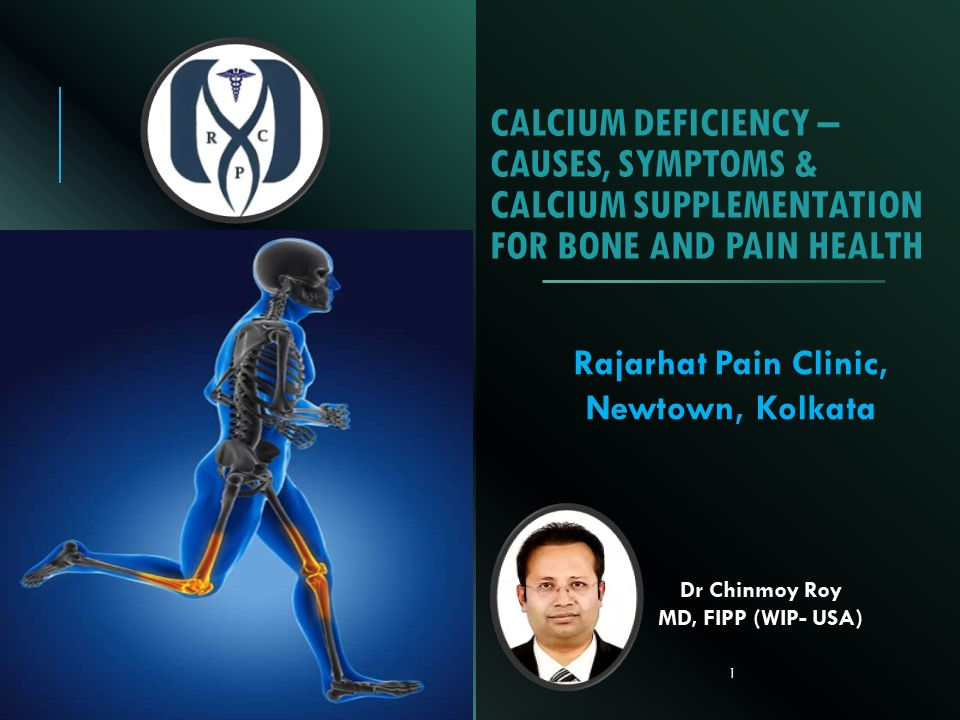
Calcium deficiency is a very common but often neglected health problem in India. Many patients suffering from chronic back pain, knee pain, muscle cramps, or recurrent body ache are found to have low calcium in the body, medically known as hypocalcemia. Early diagnosis and proper calcium supplementation can play a vital role in pain relief and long-term bone health.
At Rajarhat Pain Clinic, calcium deficiency is routinely evaluated while treating patients with musculoskeletal and spine-related pain.
Most Searchable Primary Keyword
👉 Calcium deficiency
(This keyword is intentionally used in the title, headings, and body text for better Google search visibility.)
What Is Calcium Deficiency?
Calcium deficiency occurs when the level of calcium in the blood falls below normal limits. This condition is called hypocalcemia. Calcium is essential for:
Strong bones and teeth
Proper muscle contraction
Nerve signal transmission
Normal heart rhythm
When calcium levels are low, patients may experience pain, weakness, and increased risk of fractures.
Why Is Calcium Deficiency Common in India?
Despite widespread availability of calcium-rich foods, calcium deficiency is very common due to:
Inadequate dietary intake
Poor absorption due to vitamin D deficiency
Advancing age
Postmenopausal bone loss in women
Chronic steroid use
Sedentary lifestyle
Patients visiting Rajarhat Pain Clinic, Newtown, Kolkata for chronic pain frequently show low calcium in the body, especially elderly individuals and patients with long-standing joint or spine problems.
Symptoms of Calcium Deficiency
Common Signs of Low Calcium in the Body
Bone pain and tenderness
Muscle cramps and spasms
Back pain and neck pain
Fatigue and weakness
Brittle nails
Increased risk of fractures
In severe hypocalcemia, patients may also develop tingling sensations, numbness, or muscle stiffness.
Calcium Deficiency and Chronic Pain – The Clinical Link
Chronic pain often does not improve if underlying nutritional deficiencies are ignored. Calcium deficiency can:
Weaken bones and vertebrae
Increase joint stress
Reduce muscle endurance
Delay recovery from pain treatments
That is why calcium levels are assessed as part of a holistic approach to pain treatment in Kolkata at Rajarhat Pain Clinic.
Calcium Supplementation – When Is It Required?
Who Needs Calcium Supplementation?
Patients with proven calcium deficiency
Elderly individuals
Postmenopausal women
Patients with chronic back pain or knee pain
Patients with osteoporosis or osteopenia
Types of Calcium Supplements
Calcium carbonate
Calcium citrate
Combination with vitamin D
⚠️ Important: Calcium supplements should always be taken under medical guidance. Excess calcium intake may cause kidney stones or other complications.
How Much Calcium Is Needed Daily?
The dose of calcium supplementation depends on:
Age
Gender
Dietary intake
Presence of vitamin D deficiency
Bone density status
At Rajarhat Pain Clinic, supplementation is tailored based on blood reports and clinical condition, rather than a one-size-fits-all approach.
Dietary Sources to Prevent Calcium Deficiency
To prevent calcium deficiency, include:
Milk and curd
Paneer and cheese
Ragi (finger millet)
Sesame seeds
Green leafy vegetables
However, diet alone may not be sufficient in many patients, especially those with absorption issues.
Why Choose Rajarhat Pain Clinic for Calcium-Related Pain Issues?
Rajarhat Pain Clinic, Newtown, Kolkata offers comprehensive and evidence-based pain treatment in Kolkata, including:
Evaluation of calcium and vitamin D deficiency
Root-cause–based pain management
Integrated medical and interventional care
Patient education for long-term pain control
Expert Insight
“Calcium deficiency is a silent contributor to chronic musculoskeletal pain. Correcting low calcium levels along with appropriate pain treatment significantly improves patient outcomes.”— Dr Chinmoy Roy, Consultant, Rajarhat Pain Clinic
Key Takeaway for Patients
Calcium deficiency is common and treatable
It can worsen bone pain, joint pain, and muscle cramps
Proper calcium supplementation should be guided by a doctor
Treating nutritional deficiencies improves pain management results



Comments